
Adviro | Air Quality Blog | January 2, 2026
In modern architecture and interior design, indoor air quality (IAQ) has become a critical factor for health, productivity, and building certification. Modern interiors constantly release Volatile Organic Compounds (VOCs) through a process known as off-gassing from paints, synthetic furniture, flooring, and industrial cleaning agents.
While professional indoor air quality diagnostics are the only way to accurately quantify risks, certain indoor plants can serve as a supplementary, natural biological filter. Understanding how these biological filters interact with indoor chemistry is key to maintaining a healthy environment.
21 Air-Purifying Plants That Help Reduce VOCs and Formaldehyde Indoors
While the following species contribute to a healthier atmosphere, it is important to note that they function best as a secondary support system to professional VOC testing services provided by experts.
Selection of plants known for chemical filtration:
Please note: The numbering below is for informational purposes only and does not represent a ranking of filtration efficiency or effectiveness.

1. Aloe Vera
Highly effective at absorbing formaldehyde and benzene typically emitted by industrial varnishes and cleaners.

2. Spider Plant
A resilient option for reducing xylene and toluene traces in office environments.
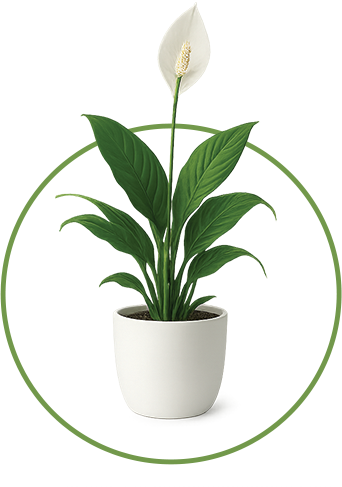
3. Peace Lily
Capable of filtering trichloroethylene and multiple other VOCs found in common household products.
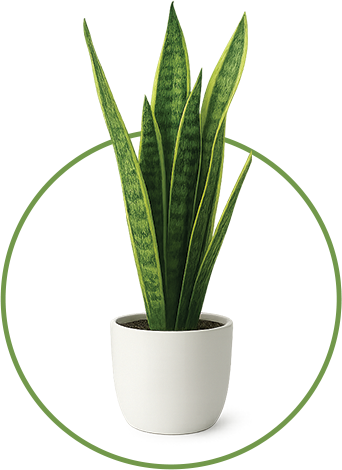
4. Snake Plant
Vital for Sick Building Syndrome mitigation; converts CO2 to oxygen even at night.

5. Bamboo Palm
Specifically targets formaldehyde and benzene; also acts as a natural humidity regulator.

6. Areca Palm
Excellent for large-scale interiors to lower toluene and xylene levels through transpiration.
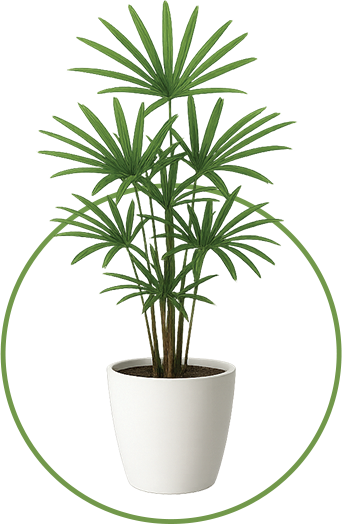
7. Lady Palm
Frequently recommended for office air quality due to its ability to filter ammonia and xylene.
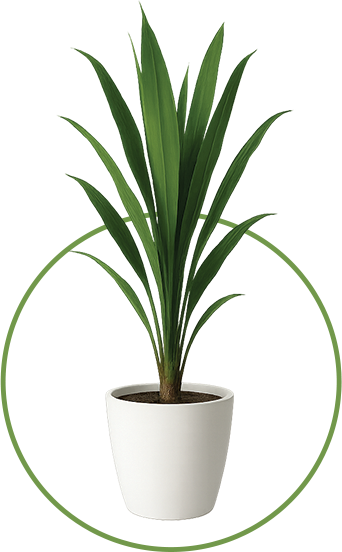
8. Dracaena
A versatile genus that helps absorb a broad spectrum of chemicals, including benzene and formaldehyde.

9. Rubber Plant
Specifically effective against formaldehyde released by MDF, laminates, and chemical adhesives.
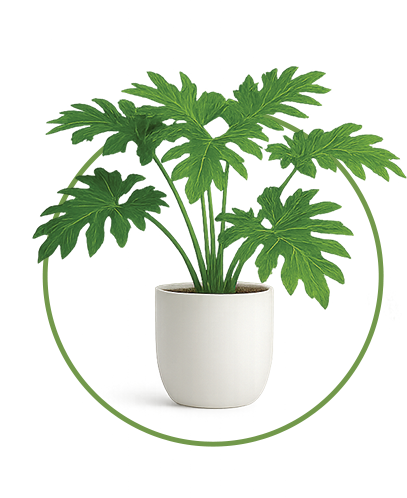
10. Philodendron
Ideal for reducing emissions from pressed-wood furniture and interior composites.
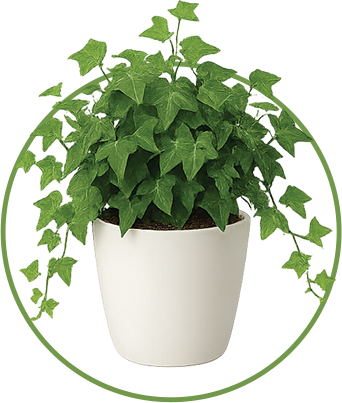
11. English Ivy
Proven to reduce airborne VOCs and particulates in poorly ventilated zones.
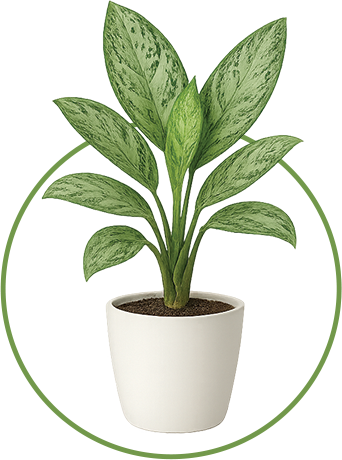
12. Chinese Evergreen
Filters benzene and formaldehyde, performing well in low-light commercial zones.
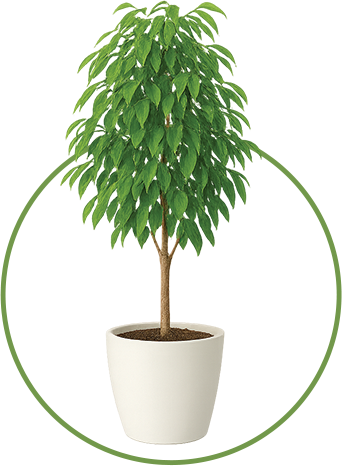
13. Weeping Fig
Targets pollutants emitted by high-end office equipment and synthetic carpets.

14. Golden Pothos
A reliable bio-filter for formaldehyde and benzene in high-traffic indoor areas.
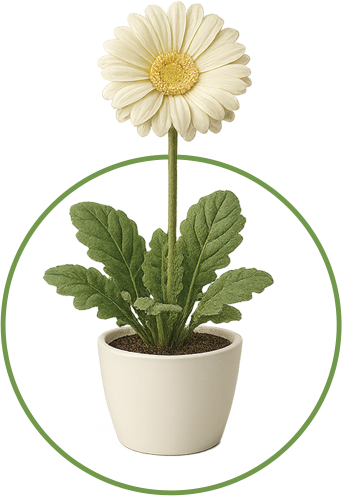
15. Gerbera Daisy
Highly effective at removing trichloroethylene found in industrial solvents and paints.

16. Common Daisy
Supports the reduction of benzene traces in newly renovated spaces.
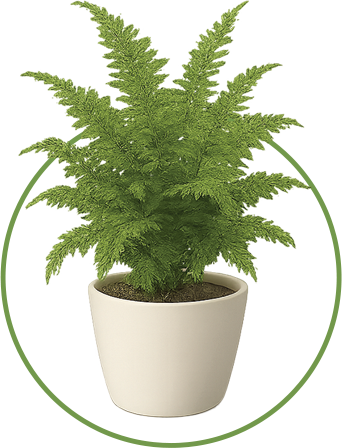
17. Boston Fern
The primary choice for neutralizing formaldehyde in high-humidity indoor conditions.
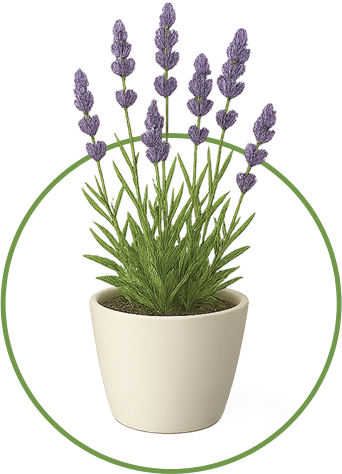
18. Lavender
Helps reduce airborne mold spores and improves perceived air freshness.

19. Barberton Daisy
Shows superior formaldehyde and benzene uptake compared to standard ornamental flowers.
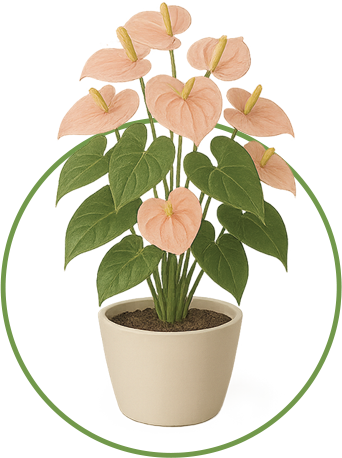
20. Flamingo Lily
Known in scientific air quality diagnostics for its ability to absorb ammonia, toluene, and xylene.
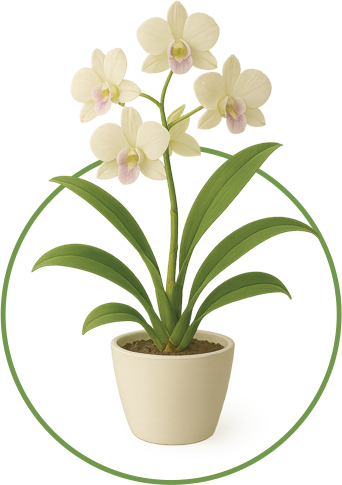
21. Dendrobium Orchid
Uniquely filters xylene, toluene, and acetone, making it suitable for specialized environments.
Why Plants Aren’t Enough: The Case for Professional Diagnostics
While phytoremediation is a valuable bio-contribution, it cannot replace a scientific indoor air quality assessment. Plants are passive filters; they cannot detect or resolve high-concentration chemical spikes, hidden moisture, mold growth, or structural ventilation failures.
To ensure a truly healthy environment—especially in new builds or renovated offices—independent air quality audits are essential to identify and mitigate the root cause of pollutants.
Professional Air Quality Services by Adviro
Adviro provides the data-driven clarity that plants cannot. We specialize in identifying the invisible threats that impact health, productivity, and building compliance.
When you choose Adviro, you get:
- Professional VOC and Formaldehyde Testing: Precise measurement of off-gassing levels.
- Comprehensive Moisture & Mold Assessments: Detecting hidden risks before they impact health.
- Material Emission Analysis: Identifying the specific source of indoor pollutants.
- Ventilation Performance Audits: Ensuring HVAC systems meet health and safety standards.
Take the First Step Toward a Healthier Indoor Environment
Don’t leave your indoor environment to chance. While plants add life and a layer of protection to your space, professional diagnostics provide the certainty you need for long-term health and safety.
Don’t guess—test. If you are concerned about off-gassing in your office or home, or need a comprehensive air quality audit, schedule an inspection with Adviro today.
Recent Comments