

Ida Gamban | Brand World Creative | Adviro | PCB Testing | June 20, 2026
PCB Survey Is Now Required for Residential Homes in California
What Homeowners Need to Know — Before It Becomes a Problem
Environmental inspectors evaluate residential structures to identify potential hazardous building materials prior to renovation or demolition.
If you own a home in California—especially one built between the 1950s and early 1980s—there’s a new environmental requirement that’s moving from commercial buildings into the residential spotlight: PCB testing.
For years, testing for polychlorinated biphenyls (PCBs) was primarily associated with industrial sites, schools, and large commercial buildings. But that boundary is beginning to blur. As environmental regulations evolve—and as California continues to lead in enforcement—residential properties are increasingly part of the conversation. What was once a niche concern is now a standard part of how properties are evaluated, especially during renovation, demolition, or sale.
First, What Are PCBs—and Why Should You Care?

Building materials such as caulking and sealants used before 1979 may contain PCBs and require laboratory testing to confirm.
PCBs are a class of synthetic chemicals that were widely used in building materials prior to their federal ban in 1979 under the Toxic Substances Control Act.[1] Their durability made them useful—but that same durability is what makes them a concern today.
In residential properties, PCBs are often found in materials that were never intended to be disturbed decades later, including:
- Caulking and sealants around windows and joints
- Certain paints and surface coatings
- Fluorescent light ballasts and older electrical components
These materials were considered standard at the time. Today, we understand that PCBs persist in the environment and can accumulate in both indoor and outdoor settings. Exposure has been associated with serious health concerns, including cancer and impacts to the immune, reproductive, and nervous systems.[2] Because of this, the U.S. Environmental Protection Agency regulates how PCB-containing materials must be identified, handled, and disposed of.[3]
Why Residential Homes Are Now Part of the Conversation

Older residential neighborhoods may contain buildings constructed with materials historically known to include PCBs.
For a long time, PCB testing wasn’t something most homeowners had to think about. That’s changing—not because the materials are new, but because the regulatory environment has now caught up to the risk.
In the Bay Area, this shift has already happened. Since July 1, 2019, many jurisdictions require PCB screening assessments before demolition permits are issued for certain buildings.[4]
What’s important here is how these rules are applied. They are not strictly based on whether a building is commercial or residential. Instead, they look at:
- The age of the structure
- The likelihood that PCB-containing materials were used
- The potential for environmental contamination during demolition
When PCBs are found at or above regulatory thresholds—typically 50 parts per million—property owners are required to follow specific protocols for removal and disposal.[4] PCB testing is no longer just a commercial building issue—it’s a property lifecycle issue.
The EPA’s Position: Testing Is the First Step
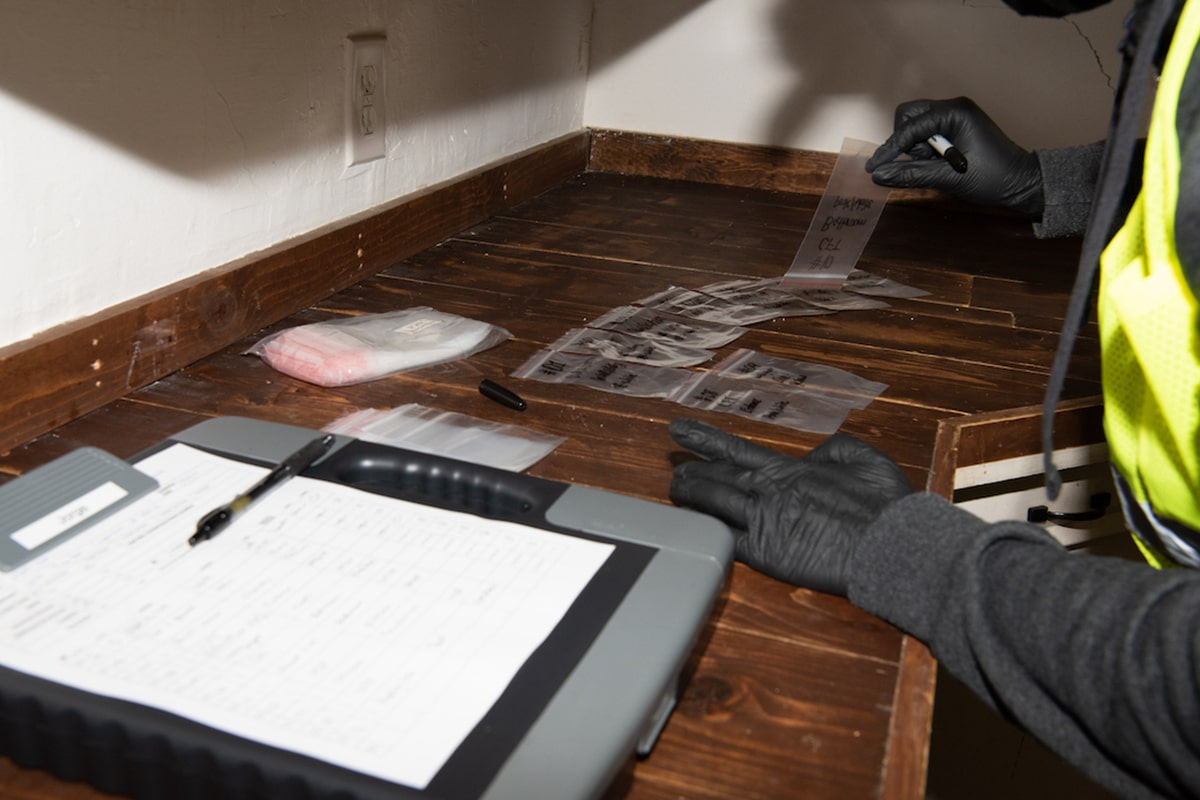
Proper PCB identification requires representative sampling and certified laboratory analysis, as outlined by EPA guidelines.
The EPA is very clear on one point: you cannot confirm the presence of PCBs without proper testing.[5] There’s no reliable way to determine PCB content through visual inspection alone. Materials that look identical can have very different chemical compositions.
Instead, the EPA outlines a structured process that includes:
- Sampling of suspect materials
- Laboratory analysis using certified methods
- Documentation sufficient for regulatory compliance
This is what turns uncertainty into actionable information. Without it, property decisions are based on assumptions. With it, they’re based on data.
What This Means for Homeowners Now
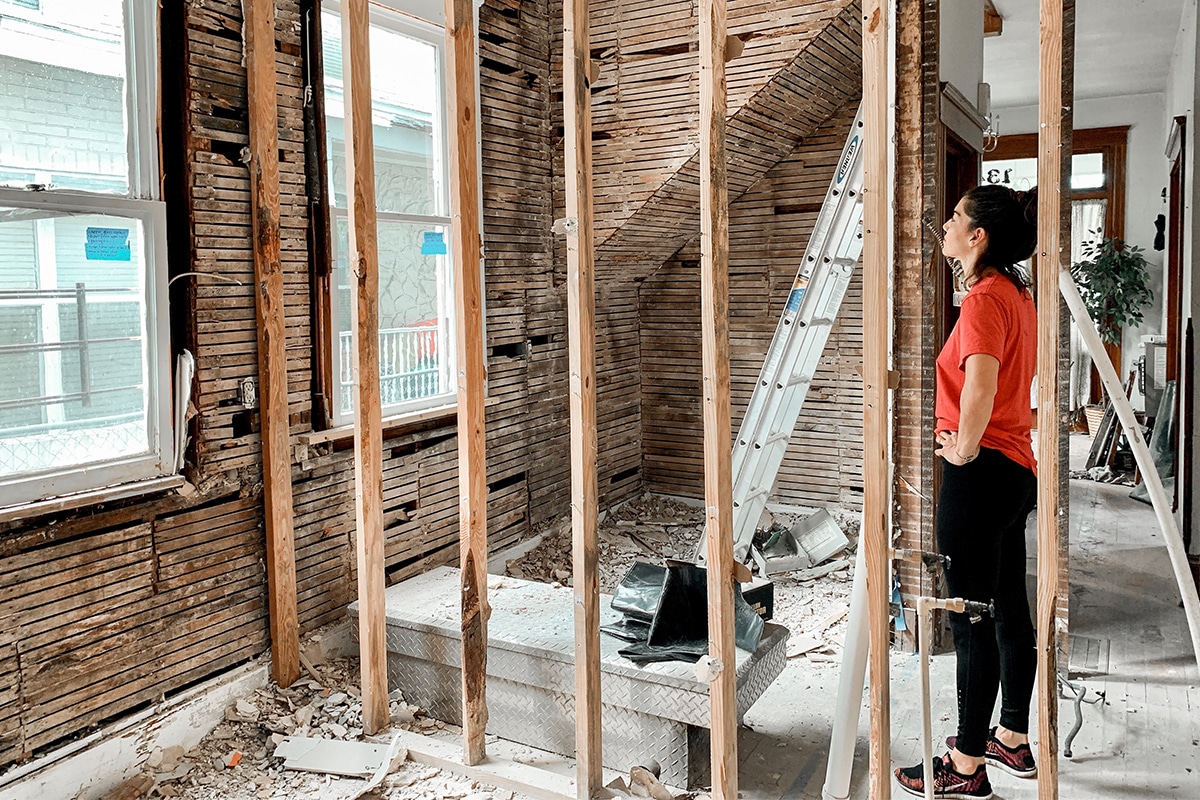
Homeowners planning renovations or property transactions will need environmental testing to meet regulatory or disclosure requirements.
For homeowners, especially those with properties built between 1950 and 1980, this shift is highly relevant. You’re most likely to encounter PCB-related requirements when you’re:
- Planning a remodel or major renovation
- Preparing for demolition
- Selling or transferring ownership
- Going through permitting or inspection processes
In many cases, PCB testing doesn’t come up until a project is already in motion—which is exactly when it becomes disruptive. If PCBs are identified, the next steps can include regulatory notification, controlled removal, and documentation to demonstrate compliance.[4] None of these steps are a real problem—but they are time-sensitive and often tied directly to project timelines.
The Smart Move: Test Before You’re Forced To

Early environmental testing can help property owners avoid delays and unexpected costs during construction or permitting.
From a strategic standpoint, the most effective way to manage PCB risk is to address it early—before it becomes a requirement instead of a choice. When testing is delayed, it often shows up at the worst possible moment:
- During permitting
- Midway through construction
- Or in the middle of a real estate transaction
That’s when timelines tighten and costs increase. By contrast, early testing allows you to understand your property upfront, plan for any necessary remediation, and move forward without unexpected delays. It’s a simple shift—but one that changes the entire experience from reactive to controlled.
Why You Need a Professional

Environmental professionals follow established protocols for sampling, testing, and interpreting results in compliance with federal and state regulations.
PCB testing is a technical process that requires both precision and regulatory awareness. It’s not just about collecting a sample—it’s about doing it correctly, in the right locations, and interpreting the results within the framework of EPA and California guidelines.
A qualified professional—like the ones from Adviro—understands:
- Where PCBs are most likely to be present
- How to properly collect representative samples
- How to interpret lab results against regulatory thresholds
Without that expertise, even small errors can lead to inaccurate conclusions, missed contamination, or costly re-testing.
What to Do Next: Call Adviro
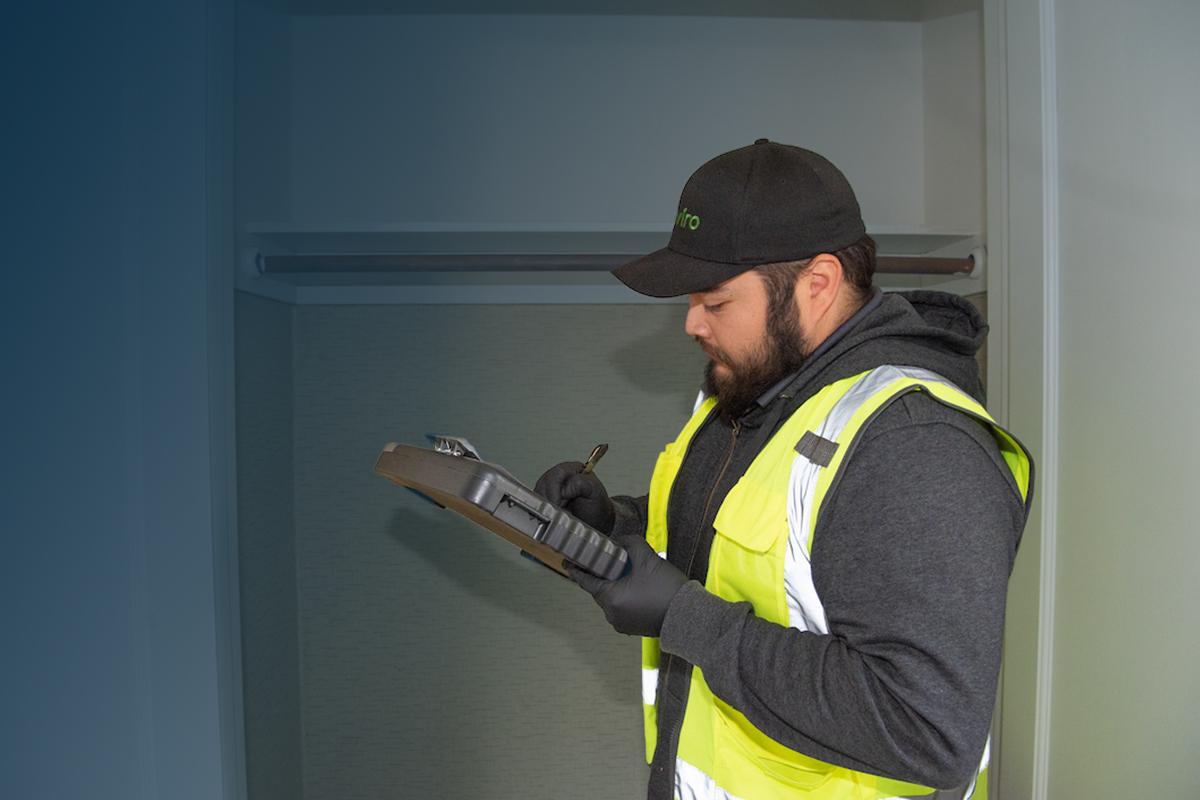
Qualified environmental testing firms provide detailed reports to support compliance, permitting, and property transactions.
For homeowners navigating this evolving landscape, having the right partner matters. Adviro provides PCB testing services for both residential and commercial properties, along with environmental compliance support tailored to California regulations. Their work includes pre-demolition assessments, renovation-related testing, and reporting designed to meet the expectations of permitting agencies.
Rather than approaching PCB testing as an obstacle, they help position it as a manageable and clearly defined step—one that supports better decision-making from the start.
Final Thought: This Is Where the Market Is Going
PCB testing is finally mandatory. It reflects a broader shift toward transparency and accountability in how buildings are evaluated and maintained. We’ve seen this before with asbestos and lead. In each case, what began as a specialized issue eventually became part of standard practice.
For California homeowners, the direction is clear. The question isn’t if this will affect you—it’s whether you’re prepared for it now.
Want to protect your property—and avoid costly surprises? Contact Adviro for professional PCB testing and an environmental assessment. Because when it comes to your home, it’s much better to be prepared—because staying ahead of a potential problem can save you a lot of time, money, and stress.
📚 Sources
[1] U.S. Environmental Protection Agency: https://www.epa.gov/pcbs
[2] Agency for Toxic Substances and Disease Registry: https://www.atsdr.cdc.gov/toxprofiles/tp17.pdf
[3] Toxic Substances Control Act: https://www.epa.gov/laws-regulations/summary-toxic-substances-control-act
[4] Santa Clara Valley Urban Runoff Pollution Prevention Program: https://watershed.santaclaracounty.gov/construction/prevent-pcb-release-during-building-demolitions
[5] U.S. Environmental Protection Agency: https://www.epa.gov/pcbs/how-test-pcbs-and-characterize-suspect-materials
Adviro PCB Testing follows EPA regulations
Our testing professionals keep detailed logbooks in accordance to EPA information requirement for commercial and residential properties:
- Site and location of the sample extraction.
- Date on each page.
- Exact times of sampling events or visual observations.
- Types of samples collected and sample identification numbers.
- Number of samples collected.
- Specific description of sample locations.
- Description of sampling methods.
- Field observations.
- Name of all field personnel.
Bay Area Counties & Cities We Serve:
Alameda County: Oakland, Berkeley, Fremont, Hayward, Pleasanton, Livermore, Dublin, Union City, Newark, Alameda, San Leandro, Emeryville, Albany, Piedmont |
Contra Costa County: Walnut Creek, Concord, Richmond, Danville, San Ramon, Pleasant Hill, Martinez, Pittsburg, Antioch, Brentwood, Lafayette, Orinda, El Cerrito, Hercules, Pinole, Moraga |
San Francisco County: San Francisco |
San Mateo County: San Mateo, Redwood City, Burlingame, Foster City, Millbrae, Daly City, South San Francisco, Pacifica, Half Moon Bay, Menlo Park, Belmont, San Carlos, Atherton |
Santa Clara County: San Jose, Santa Clara, Sunnyvale, Mountain View, Palo Alto, Cupertino, Milpitas, Campbell, Los Gatos, Saratoga, Morgan Hill, Gilroy, Los Altos, Los Altos Hills
Recent Comments